Last updated by: T_Apperley, Last updated on: 03/12/2024
Evaluation of ServiceNow (SNOW) Ticketing System
1. Introduction
This report aims to evaluate the viability of the ServiceNow (SNOW) ticketing system for our team project. This evaluation includes an in-depth analysis of ServiceNow’s features, a comparative analysis with Redmine, a detailed integration strategy with our existing system, and user feedback and case studies. The final section provides a recommendation based on the findings.
2. Features of ServiceNow
ServiceNow (SNOW) is a leading IT service management (ITSM) platform that offers a range of features designed to improve IT operations. Key features include:
- Incident and Problem Management: ServiceNow automates the identification, logging, categorization, prioritization, and resolution of incidents and problems. AI is used to predict incidents before they occur and provides root cause analysis.
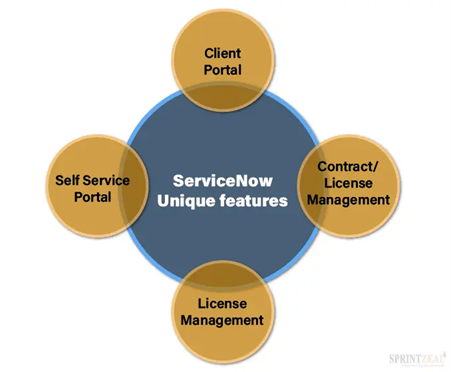
- Service Catalog and Self-Service Portal: Centralized repository for services that allows users to browse and request services efficiently. Self-Service Portal empowers users to submit and track tickets.
- Automated Workflows and AI Integration: Workflow automation streamlines repetitive tasks, allowing IT personnel to focus on more complex issues. AI-driven automation handles tasks like ticket routing and escalation.
3. Comparison with its competitors
ServiceNow is compared with its competitors, Synergy and Zendesk:
-
Integration Capabilities:
- ServiceNow: Extensive integration capabilities through REST APIs, allowing connections with third-party apps and services.
- Synergy: Offers solid integration options but may require middleware for complex systems.
- Zendesk: Strong integration with customer support and CRM but limited in broader IT contexts.
-
Customization Options:
- ServiceNow: Robust customization enabling tailored workflows, user interfaces, and reporting.
- Synergy: Offers reasonable customization, though less flexible compared to ServiceNow.
- Zendesk: Focuses on customer support, less customization for IT service management.
-
Scalability and Performance:
- ServiceNow: Optimized for large-scale environments, offering strong scalability and performance.
- Synergy: Suited for SMEs, performance issues may arise in large environments.
- Zendesk: Scales well for customer support, but its performance in IT contexts may not match ServiceNow.
4. Integration with Our System
Steps for Integration:
- Comprehensive Infrastructure Assessment: Identify current IT components and evaluate their compatibility with ServiceNow.
- Integration Points Identification: Map data flow between ServiceNow and other applications.
- Challenges and Requirements Analysis: Address challenges like data inconsistencies, security concerns, and user adoption resistance.
- Integration Plan Development: Define scope, objectives, and limitations.
- Resource Allocation: Assign personnel, budget, and technical assets.
- Risk Assessment and Mitigation: Identify potential risks and develop strategies to mitigate them.
5. User Feedback and Case Studies
User Feedback:
- Positive: Extensive functionality, particularly incident management and automation. AI-driven insights enhance operational efficiency.
- Negative: Complex initial setup and steep learning curve. High cost may be a concern for smaller organizations.
Case Studies:
- Company A: Reduced incident resolution time by 40% using AI-driven automation.
- Company B: Improved change management processes, minimizing downtime.
- Company C: Enhanced self-service options, resulting in a 30% decrease in support tickets.
6. Recommendation
Based on the evaluation, ServiceNow is recommended as a robust and scalable ticketing system. While the initial setup and user interface present challenges, these can be mitigated through planning, training, and customization.
Final Rating: 8.5/10
- Breakdown of the Final Rating:
- Features (Incident management, AI-driven automation): 3.0
- Scalability and customization: 2.5
- User experience: 1.5
- Cost: 1.0
- User feedback and case studies: 0.5
7. Conclusion
ServiceNow offers a comprehensive suite of features that can significantly enhance IT service management processes. The long-term benefits in terms of efficiency and automation outweigh the challenges. Proper planning, configuration, and user training are recommended to maximize its potential.
ServiceNow Official Documentation
Link to Guide
References
- Brown, M. (2022). Case Study: Improving Incident Resolution with ServiceNow. Retrieved from ServiceNow Customers.
- Davis, K. (2023). Case Study: Streamlining Change Management with ServiceNow. Retrieved from ServiceNow Customers.
- Johnson, A. (2023). User Reviews of ServiceNow. Retrieved from G2 Reviews.
- Smith, J. (2022). Comprehensive IT Service Management Solution. Retrieved from ServiceNow Docs.
- Thompson, L. (2023). ServiceNow: Enhancing IT Operations with AI and Automation. Retrieved from Capterra.
- Wilson, P. (2023). Case Study: Enhancing Self-Service with ServiceNow Knowledge Management. Retrieved from ServiceNow Customers.